
Understanding Change in ADHD
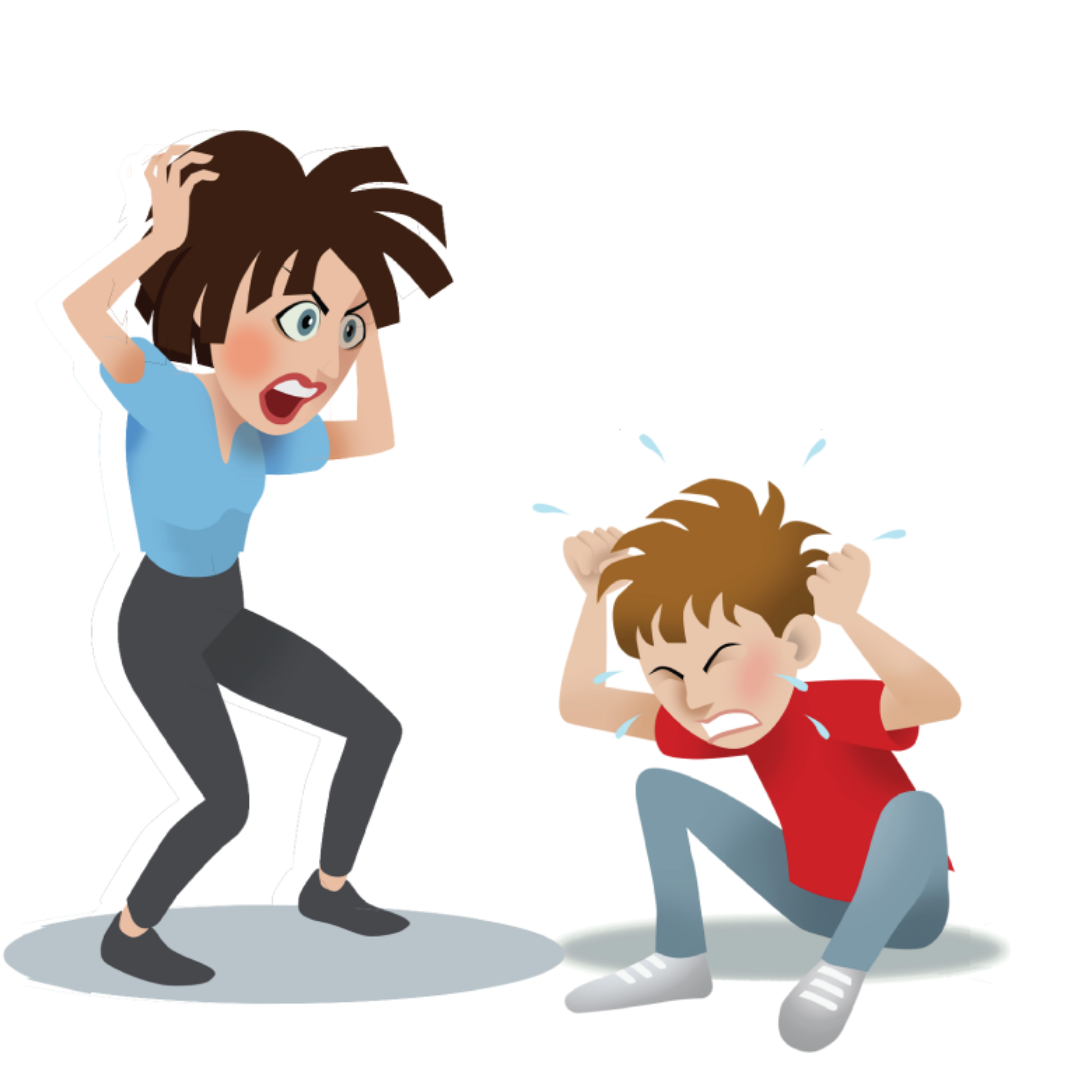
One of my favorite quotes is, “the only thing you can count on is change.” Life is full of big and little changes: job transitions, moves, deaths, new teachers. As parents of kids with ADHD, it seems that the changes are non-stop. We find a solution, and it’s working great, and then all of a sudden, nope! Not anymore! Download a free tipsheet "Top 10 Ways to Stop Meltdowns in Their Tracks" to stop yelling and tantrums from everyone! A few years ago, I went to an excellent presentation sponsored by the Resilience Alliance, an organization dedicated to helping people “thrive” in the midst of change. Their President, Dr. Linda Hoopes, talked about how it takes practice and skills to move through change in your life successfully. Here’s my spin on their list of actions to become more resilient: Many of us have these skills naturally, at least on some level. But these are executive function skills, and if you have ADHD, they may be difficult. For all of us, ADHD or not, once we are in real life parenting situations, we are often just the opposite. When we are stressed out or overwhelmed or angry, our usually positive, confident, flexible, focused, organized self isn’t. Knowing what tools you need (and have) to help you can be huge. For example – when your normally smooth bedtime routine suddenly isn’t working like it used to: Suppose you don’t naturally have these skills. In that case, you can typically do some things to develop them, or surround yourself with people who do. For example, my husband is much more proactive and willing to take risks than I am. I rely on him to push me in that area, while I can help his ADHD brain stay organized. In addition to developing and using these skills, practicing change is critical. It is like going to the gym. You need to do it over and over until you get really good at it. Many of us grew up in environments that were quite stable. This is very different from what we now likely experience as parents. Because we rarely experienced change growing up, our change muscles are weak. When change does occur, often, even if we have the skills, it’s difficult to put them into place. Here are some ideas: Teaching our children how to manage change is a critical life lesson. It’s important that we help them develop and practice skills just like we do. Think about how to translate some of these concepts into language they will understand – and continue to support their learning. Download a free tipsheet "Top 10 Ways to Stop Meltdowns in Their Tracks" to stop yelling and tantrums from everyone!
Article continues below...
Minimize Meltdowns!
Minimize Meltdowns!
