Guest Expert
Say What You Mean, Mean What You Say: With LOVE
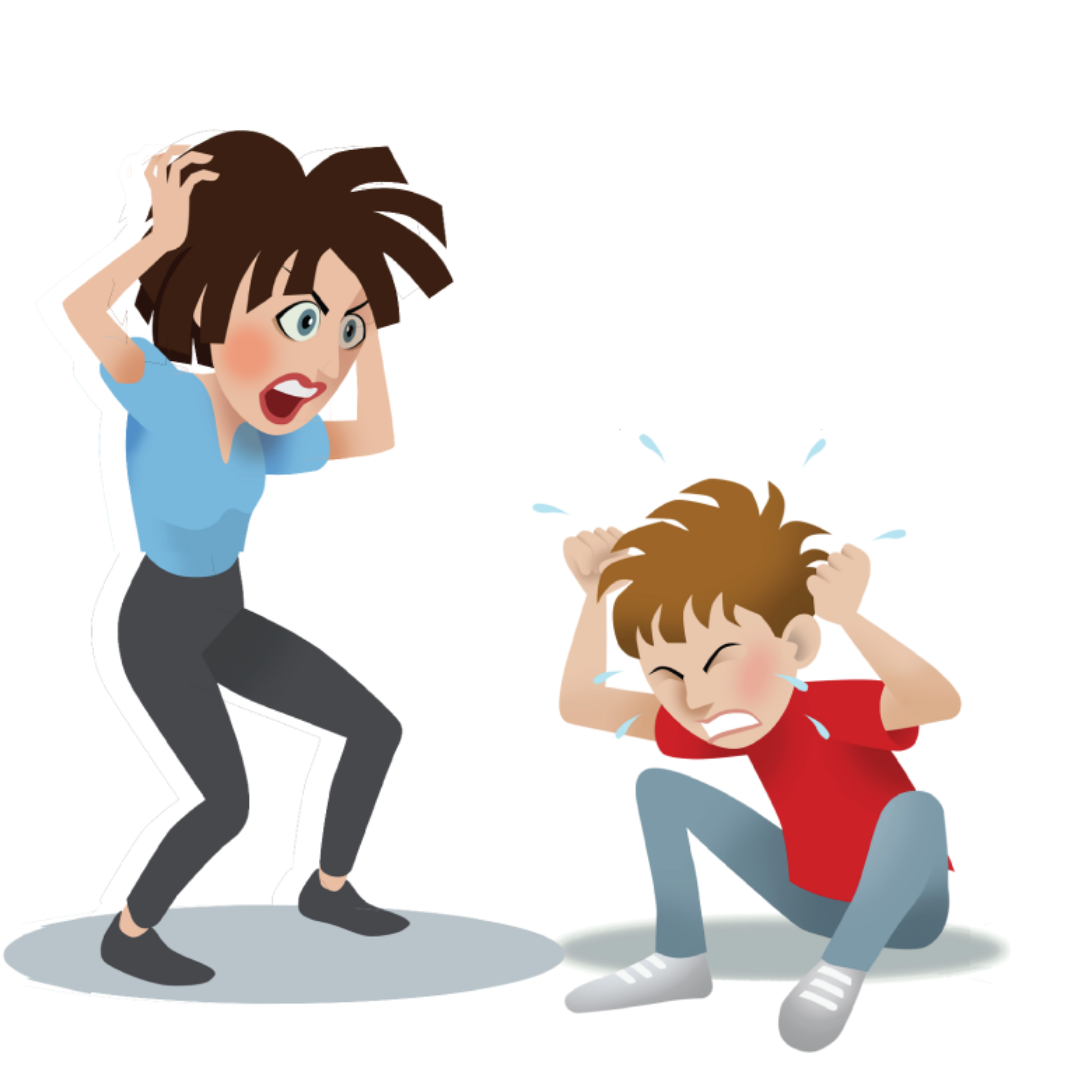
For families living with ADHD, impulsivity is often at work on an hourly or daily basis. As parents, we are concerned with our children’s success in life, their major and minor failures, and their seeming lack of success. As the adult in charge, we often get exasperated, prejudging events, desiring instant actions to fix situations. This may lead to a short fuse and triggered explosions. If one or both of the adults in charge also have an ADHD brain, the explosions accelerate. Download a free tipsheet "Top 10 Ways to Stop Meltdowns in Their Tracks" to stop yelling and tantrums from everyone! Valentines Day, the day of love, is upon us. As a parent, it is a good time to take a walk, clear your mind, and reflect. It is an occupational habit that, as parents, we immediately point out what is wrong and give wise advice as to how to fix it. Think. Are you exasperated at the very thing you had trouble with in school? Those with ADHD often are highly sensitive, and we can start to yell before our own filter system jumps into place. What are your consequences for explosive behavior? ADHD or not, if your behavior is impolite, rude, explosive, or unkind, its up to you to rectify the situation. (Examples: apology letter, speak face to face.) 2. Your child’s learning processes are different. Adaptations must be made so s/he can learn. 3. Your child doesn’t feel any better about his or her failures than you do. 4. You are responsible for supporting your child, but not responsible for his/her mistakes. 5. Punishment does not make the situation better, as children do not learn from it nor change behavior. 2. Reflect back to him/her what you hear. Examples include: a. “You must have been scared when you found you didn’t know the answer” instead of “You should have studied harder and longer so you would know the material.” b. “You didn’t feel good when she called you that” instead of “Well just tell her off, call her *&#*$ back.” 3. Ask, “If you had the situation to do over, what do you think you would do differently?” 4. Make a plan, together, a strategy to improve the situation and be better prepared in the future. Decide whether you should involve someone else. If you must, print the following on an index card. “We are too emotional to deal with this now. I call a time out so we can discuss this after we both calm down. (Suggest a time).” If the child follows with more to say, put up you hand and simply say, “Later,” shaking your head. Use non-verbal behavior when verbal goes bad. 1. “Even parents have times when life gets overwhelming.” 2. “You had a day that got overwhelming didn’t you?” 3. “I think we were both disappointed as to how things went.” 4. “Let’s think about what we can do to make the situation come out better.” (Rehashing the events will probably only get you back on the same warpath you were on.) 5. “Tell me how you felt when all of this happened,” (and go to Step 1!) 6. “How do you feel now?” As a finishing touch, remind your child about the great time you had doing something together. Always end on an upbeat note. The overall message you want your child to get, in the end, is that while you will have your ups and downs, if you work things out together, you can solve anything — because you love him/her! Those three words – I LOVE YOU – are powerful beyond all measure. When honestly used, they are the greatest tool you have as a parent. Download a free tipsheet "Top 10 Ways to Stop Meltdowns in Their Tracks" to stop yelling and tantrums from everyone!
Article continues below...
Minimize Meltdowns!(opens in new tab)
Minimize Meltdowns!(opens in new tab)