
Dealing with Emotional Kids and Meltdowns
If there’s one thing parents of complex kids have in common, it’s dealing with emotional kids and meltdowns! Here are some basic tips on how to handle strong emotional outbursts and meltdowns from our complex kids. Download a free tipsheet "Top 10 Ways to Stop Meltdowns in Their Tracks" to stop yelling and tantrums from everyone! Staying calm when our kids are not is an art. It’s not easy to resist jumping into the mess, especially when they are aiming their drama (or frustration, temper, anger, rudeness, etc.) right at us – which kids do so well. Recently, my son had an epic after-school meltdown. With allergy season in full force, and too much time passed before we got a solid protein snack into that little body, he was simply unable to cope. Screaming, making excuses…sound familiar to anyone else? My husband handled it beautifully. He stayed calm, continued to provide clear, consistent direction, and didn’t take it personally that my son’s frustration intolerance – which came across as incredibly disrespectful behavior – had reached its limit. He didn’t resort to threats or digs that would make things worse. Instead, he kept himself out of it! Next time you notice that you feel disrespected because your child – at the end of their rope – was not able to hold it together, ask yourself: is this about me or my child? If your child is intentionally being rude, that’s one thing. But if you recognize a child who is, honestly, past their limit, try to keep your focus on your child. If you keep yourself out of it, you can prevent escalation and help your child learn to cope with your calm, matter-of-fact direction. Have you ever noticed that we parents tend to confuse “obedience” with “respect”? News bulletin: they’re not the same thing! When our kids don’t “obey” us, we take it personally and take it as a sign of disrespect. We want them to “mind” us because we know it’s important for their health and safety. But also, because our egos are tied up in it, we lose confidence when they don’t. When we turn our attention from their challenge to how WE feel about it, we’re not helping them learn to manage difficult experiences – we’re making it all about us. But What If – Just What If… The truth is, much of our kids’ disobedience has nothing to do with disrespect. Our kids get triggered, distracted, or scared, and they have difficulty managing those feelings or experiences. So next time you feel disrespected by your child’s behavior or lack of cooperation, ask yourself, “What if there’s something else going on that could be causing this reaction?” If you think about it, disappointment is just another transition for our kids to navigate. Unconsciously, they set expectations for themselves about what they think will happen – or what they want to happen – and when something changes that makes their expectation no longer reasonable, they are a bit freaked out or disappointed. They are not really aware of why – they just know that they’re not happy. It’s not that different, really, from when you ask them to stop playing a video game or get ready to go to school. They’re in a groove, and then suddenly, there’s new information they have to deal with that is not what they want. It’s surprising or otherwise anxiety-producing. And so they react. So I want to encourage you to prepare for inevitable disappointments in much the same way you would a transition: When we wait to prepare our kids because we don’t want to deal with their disappointments, we may actually be contributing to meltdowns and upsets. Be proactive and help your kids prepare. After all, one of the greatest gifts you can teach them is to learn to handle life’s disappointments. “Let It Go” may have been one of the most popular songs of its era, but letting go of negative emotions can seem impossible when you’re dealing with ADHD. Intense emotions overwhelm the brain and create explosive situations, all the while forgetting the importance of close relationships. What can you do when this happens? Self-awareness is the antidote to emotional hyper-focus. Be aware of triggers, develop soothing techniques, and stay in the moment – rather than getting lost in the emotion. Easier said than done, of course, but fortunately, we all get plenty of opportunities to practice! One of the most important parts of helping our kids learn how to handle their emotional intensity – and manage meltdowns – is to understand what triggers them in the first place. The same is true for us. Managing our own triggers is a powerful way to teach our kids to model theirs. And a trigger journal can be just the tool you need – for your kids and for you. When we get curious, we realize that there is some predictability to when, where, and what sets off our kids (or us) in a meltdown or a fit. It’s usually not some random set of events – even if it feels like it at the time. Triggers can come from many areas: One great solution to figuring out your child’s triggers (or yours) so they can learn to stop or manage their meltdowns is to keep a Trigger Journal for a few days. For a few days, take notice of any of your child’s emotional intensity, and keep a record of when they’re struggling to manage meltdowns. What was happening just before? What were they reacting to? What potential triggers can you capture in the journal? Get curious about what she might have been thinking that caused the reaction in the first place. Once you have collected some data in your trigger journal for a few days, use that information to prevent future meltdowns. For example: Take a few moments each day to capture what you notice in your house in your trigger journal, so you can help your kids learn to reduce the intensity and frequency of their upsets. Kids actually want to manage meltdowns when they can, and the trigger journal can help! It couldn’t hurt to raise awareness of your own triggers, too. We’ve all been there – having what we think is a reasonable parenting interaction with our child, and then all of a sudden, it becomes a hot mess. Who would have guessed that taking the garbage out would end up in World War 3?! The best defense in this situation is a good offense, so let’s look at how to prevent these situations in the first place. Most of our kids are pretty predictable – certain times of day, certain activities are more likely to set them off. If you aren’t sure, try creating a trigger journal and write down every time your kid meltdowns – what happened just before, what else you noticed, time of day, etc… Most of our kids aren’t suddenly over the deep end. If 0 is calm and 100 is intense, your child might have a pattern like 1, 2, 3, 4, 10, 15, 20, 30, 50, 100! If you catch things before they get really hot, you can often calm the situation down more quickly and get things back on track before an explosion happens. Sometimes we inadvertently add fuel to the fire when we have kids with short fuses. If you know your child is passing a limit and is about to lose control, stop pushing (even if you are perfectly “right” in what you’re asking). Do what you can to keep your own emotions in check and recover quickly (including an apology) when you aren’t as calm as you would prefer. Don’t try to fix things in the heat of the moment. Lecturing your child about being disrespectful when they are triggered and not on their best behavior will likely make things even worse. Choose a more calm time to talk (Saturday Morning at Waffle House is one of my favorites) and consider finding a way to partner with your child to come up with a solution, rather than enforcing what you think is the “right” one. For more tips, check out our Manage Emotions and Impulses category and our posts on understanding and responding to our children’s emotional needs in a positive and healthy way: How to Handle Impulsive Interruptions 3 Steps to Respond without Reacting How to Apologize Where You’ve Hurt Your Child’s Feeling How to Help (Without Enabling) Your Kid What to Do When Your Child Becomes Violent Preventing Risky Behaviors in Kids with ADHD Are You in Threat Mode? 6 Tools to Stop the Yelling Download a free tipsheet "Top 10 Ways to Stop Meltdowns in Their Tracks" to stop yelling and tantrums from everyone!
Article continues below...
Minimize Meltdowns!
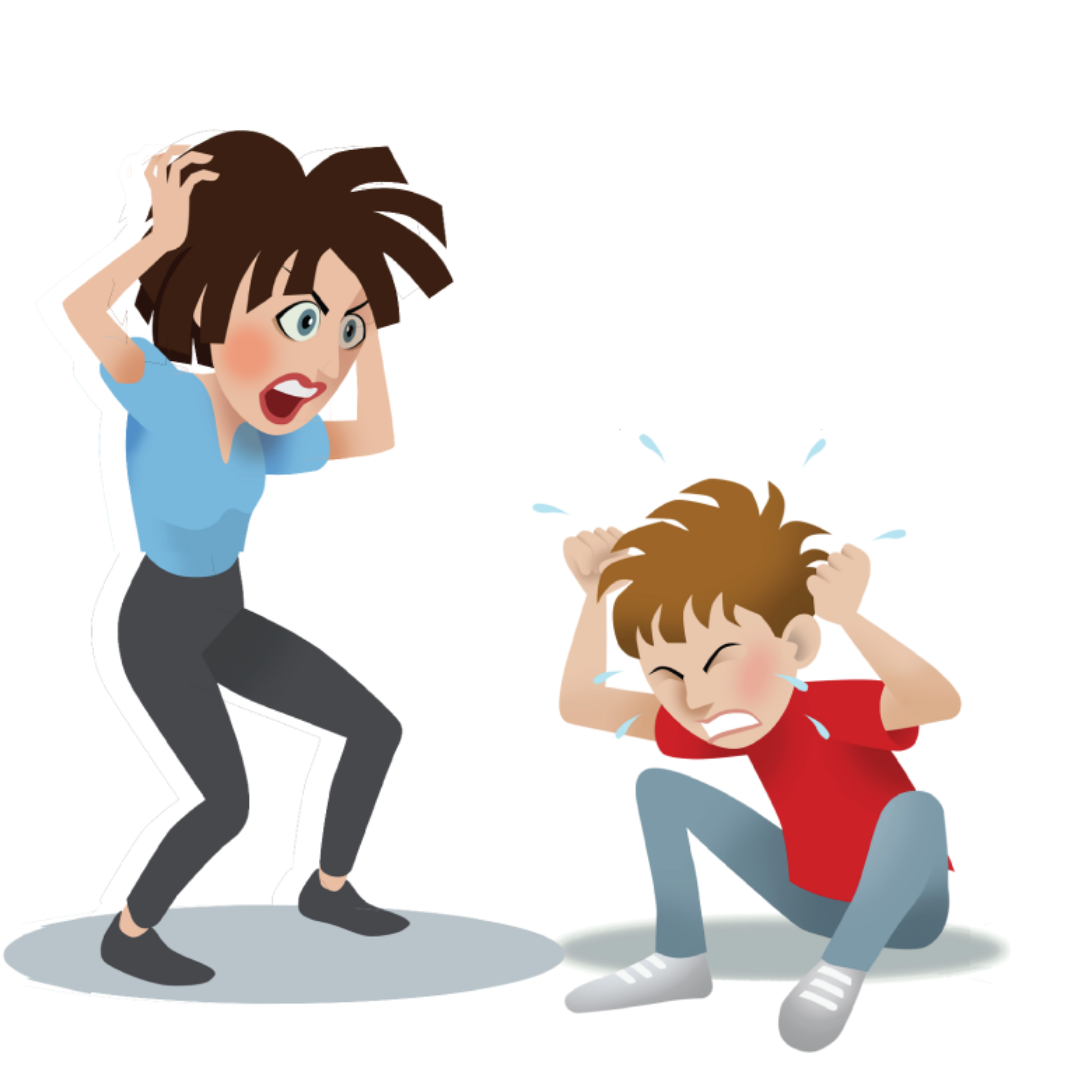
Keeping Your Cool
How to Handle Disrespect and Disobedience from Kids
Obedience vs. Respect
How to Handle Your Child’s Disappointment
Meltdowns
Feel a Meltdown Coming On? Curb It With These Three Tips
Preventing Meltdowns with a Trigger Journal
Meltdowns Aren’t Always Random
How to Create a Trigger Journal
Preventing Emotional Outbursts & Meltdowns
The Best Defense
Dealing with Emotional Kids and Meltdowns
Minimize Meltdowns!
