Quick Tip
Using Code Words
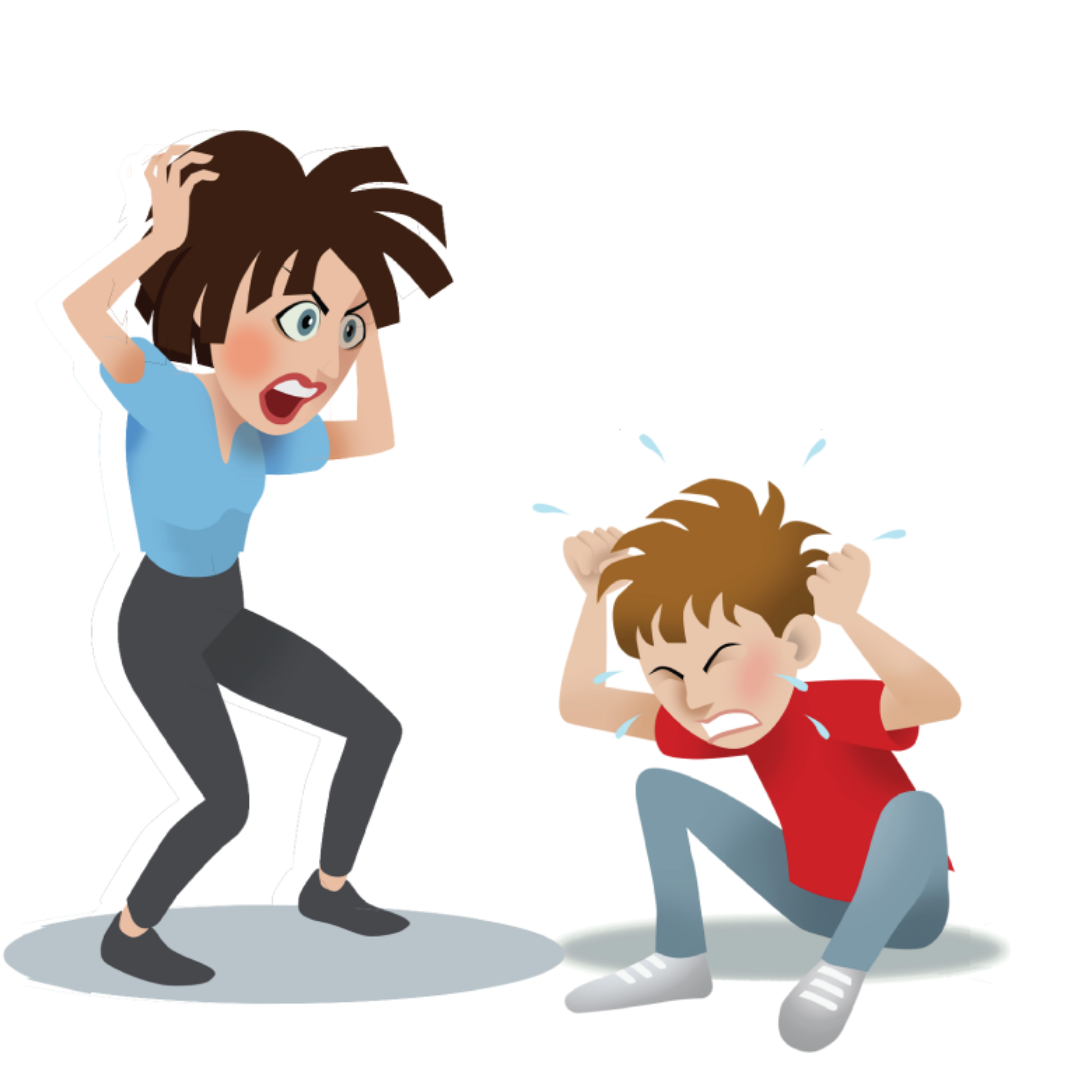
In our family, as long as I can recall, we’ve used code words to ease and improve communication. Download a free tipsheet "Top 10 Ways to Stop Meltdowns in Their Tracks" to stop yelling and tantrums from everyone! When my kids were really little, we used were visual cues. Without saying anything aloud, this is how we reminded the kids to use a fork: By gently tapping two fingers on the table. To ask them to lower their voices — without uttering a sound — we used a hand gesture. (And we still use that one today!). As the kids grew older, we started using verbal cues to help them learn to manage the intense emotionality that often comes with ADHD, anxiety, and other challenges. Code words are verbal cues that we all agree upon, words that let us communicate with each other succinctly. They are a kind of verbal shorthand. Like a family whistle peeling through the air in a public space, code words help us quickly get to the heart of a matter. Better yet, they help us avoid unnecessary meltdowns and upsets. Have you ever “cried uncle” when you were ready to give up on something, such as you just didn’t want to play that game anymore? That’s a code word (or phrase) that many people understand. Code words communicate important concepts in a flash. Here are some examples: To create code words (or phrases), start by asking yourself what triggers in your family could be avoided with a few well-chosen words. What patterns can you anticipate and avoid? If you’re not sure, ask your kids. Not only will they probably know, but they’ll likely do a better job of naming them than you. After all – would you ever have come up with broccoli ice cream? Download a free tipsheet "Top 10 Ways to Stop Meltdowns in Their Tracks" to stop yelling and tantrums from everyone!
Article continues below...
Minimize Meltdowns!
What’s a Code Word?
Code Word Examples
Minimize Meltdowns!