
How to Get Your ADHD Child’s Attention
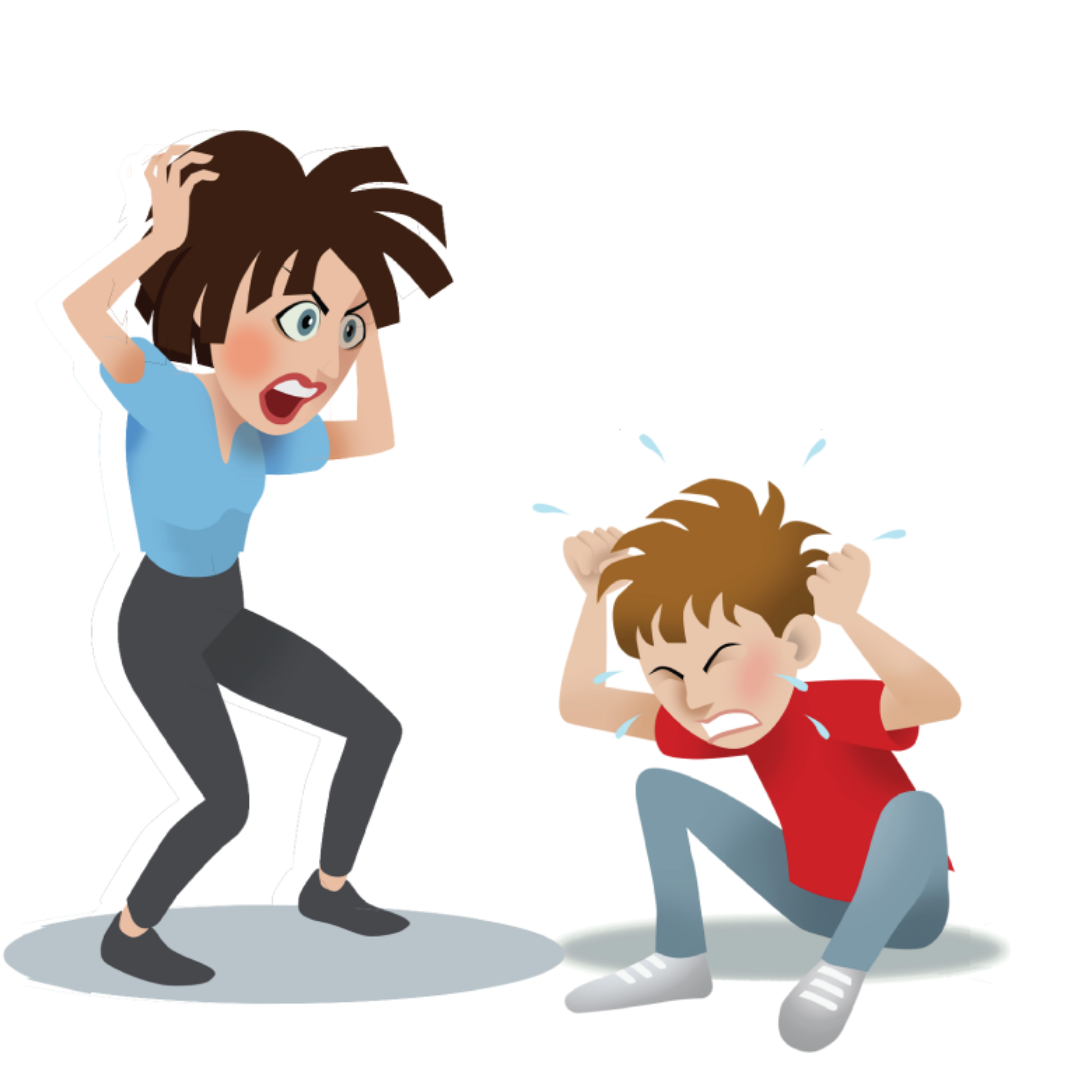
As different as we all are, there are certain fundamental things most families have in common about how we communicate. Do you recognize any of these scenarios? Download a free tipsheet "Top 10 Ways to Stop Meltdowns in Their Tracks" to stop yelling and tantrums from everyone! The list could go on, of course. Sound familiar? In ADHD land – or any land, for that matter – one big challenge to effective communication is to get and hold someone’s attention at the time that works for them. I hear it from clients all the time, “Why can’t he just do what I ask?” Looking at the situation, we see two steps, 1) listen to what I say, and 2) do it! Seems simple. In reality, it’s really very complex, particularly for the ADHD brain. Here’s an example: your child is watching TV, and you want them to take a shower. In order for that to happen, here are (some of) the steps your child’s brain has to go through: You get the picture. Each one of these steps on how to get your ADHD child’s attention requires executive function, something that most of our kids have in limited supply. By the time you are done making your request, they are likely still on step #1. That means your child doesn’t really hear what you are asking. The most important tip here is… Get your child’s attention first! Before you give instructions, make sure you have their attention. This will hugely increase the likelihood that what you are requesting will actually get done. At our house the rule is: When they least expect it. Here’s what I mean. Let’s say you want your child to take out the trash today. Don’t wait until you want it done. Set the expectation well in advance, and set a clear deadline: “By the way, Joel, I’d like you to take out the trash sometime today, before 5:00. Will you do that?” Let them know it’s coming when it’s not time-critical. Then, at 4:45, if it hasn’t been done, you can remind helpfully (not critically, because they haven’t actually missed the deadline), and if it has been done, you can praise them all the way to the bank! Or, you’ve just identified something your teenager did ‘wrong,’ and there are some lessons you really want them to get from the experience. Say nothing. Then, later, maybe at dinner, or playing cards, or during a commercial, you can bring it up again: “Julie, I know you felt bad about that happening. Don’t worry about it – mistakes happen. But can we talk for a few minutes about how to keep it from happening again?” Now, you have a better shot at having a conversation, instead of giving a lecture, and being dismissed. People with ADHD get hot under the collar for ‘no’ reason, sometimes, because we get tired of being wrong all the time. When you say, “I asked you to …,” you are telling them that they did something wrong. At that point, they are triggered, and they can’t really hear you. So help them by setting them up for success…when they least expect it! Download a free tipsheet "Top 10 Ways to Stop Meltdowns in Their Tracks" to stop yelling and tantrums from everyone!
Communication Barriers
Article continues below...
Minimize Meltdowns!
How to Get Your ADHD Child’s Attention?
When Does It Work Best?
Minimize Meltdowns!
